
What is Shockwave Therapy?
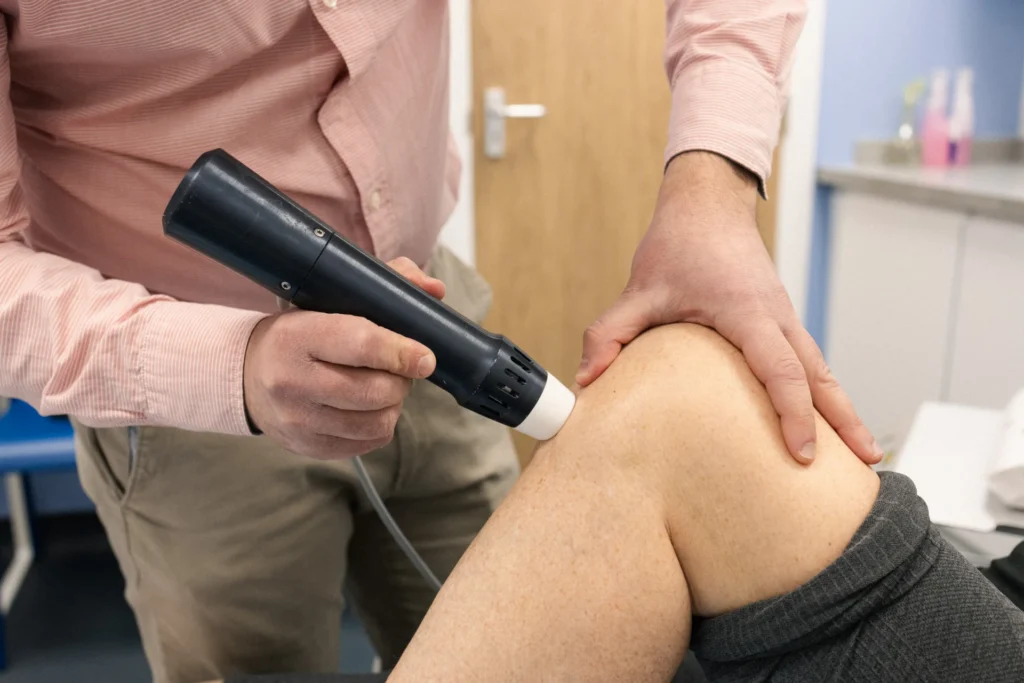
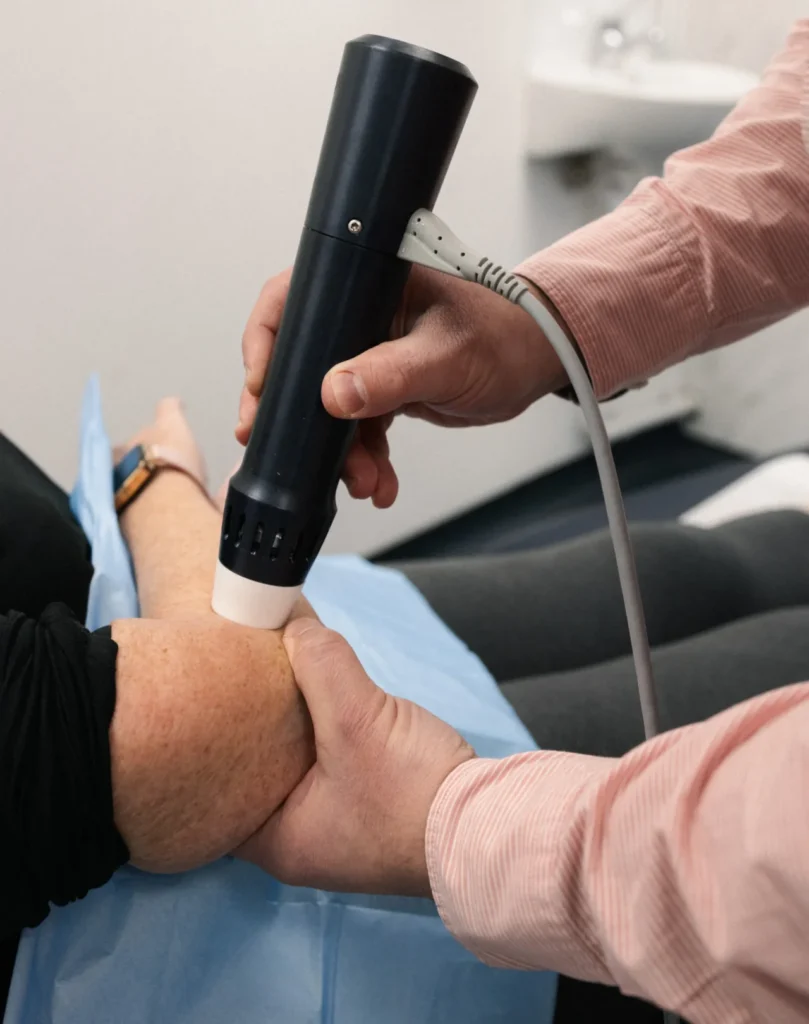
Shockwave Therapy uses high energy soundwaves to stimulate healing within injured tissues. These soundwaves create controlled mechanical stress in the affected area, encouraging the body’s natural repair processes
Shockwave does not generate heat. Treatment can feel uncomfortable, but it is generally well tolerated and delivered within safe, evidence based parameters.
How Shockwave Therapy Helps Your Tendon Heal
The Problem – Chronic Tendon Pain
When tendon pain becomes persistent, the normal healing process slows. Blood supply reduces, collagen quality deteriorates and the tendon becomes less responsive to exercise alone.
The Stimulus – Targeted Shockwave Energy
Shockwave delivers controlled soundwaves into the affected tendon, creating a brief mechanical stimulus without causing damage or heat.
The Response – Restarting Healing
The soundwaves trigger a local healing response, encouraging new blood vessel formation and increased collagen production.
The Rebuild – Progressive Loading
Shockwave works best alongside rehabilitation exercises. Once healing is stimulated, carefully progressed loading helps the tendon adapt and strengthen.
The Outcome – Improved Capacity and Reduced Pain
Over time, tissue quality improves, pain reduces and function increases. Recovery continues for weeks after treatment as the tendon remodels.
Conditions Shockwave Therapy Can Help With
Shockwave Therapy is most effective for chronic tendon pain, particularly symptoms present for more than three months.
Common conditions treated include:
- Achilles tendinopathy (Achilles tendon pain) Plantar fasciopathy (often called plantar fasciitis or heel pain)
- Patellar tendinopathy (jumper’s knee)
- Gluteal tendinopathy (side of hip pain)
- Greater trochanteric pain syndrome (outer hip or bursitis type pain)
- Lateral epicondylalgia (tennis elbow)
- Medial epicondylalgia (golfer’s elbow)
- Proximal hamstring tendinopathy (high hamstring or sitting bone pain)
- Calcific shoulder tendinopathy (calcium deposits in the shoulder tendon)
Shockwave Therapy supports healing in stubborn tendon problems and is most effective when combined with an evidence based loading and rehabilitation programme.
Who is Shockwave Therapy Suitable For?
Shockwave Therapy is most suitable for people who:
- Have tendon pain lasting longer than three months
- Have tried structured rehabilitation with limited improvement
- Can tolerate short term discomfort during treatment
- Are willing to continue rehabilitation exercises alongside treatment
Responses vary between individuals, even in ideal candidates.
Expected Response to Shockwave Therapy
Response to Shockwave Therapy differs between people:
- Around 10 to 20 percent notice improvement within 1 to 2 weeks
- Around 60 percent notice improvement within 3 to 6 weeks
- Around 20 to 25 percent experience little or no benefit
It may take 8 to 12 weeks after the final session to experience the full effect.
How Shockwave Therapy Helps Your Tendon Heal
Assessment and Suitability
Your physiotherapist will assess your condition, confirm suitability and explain how Shockwave Therapy fits into your rehabilitation plan.
Treatment Preparation
A cold gel is applied to the skin, similar to ultrasound gel.
Shockwave Application
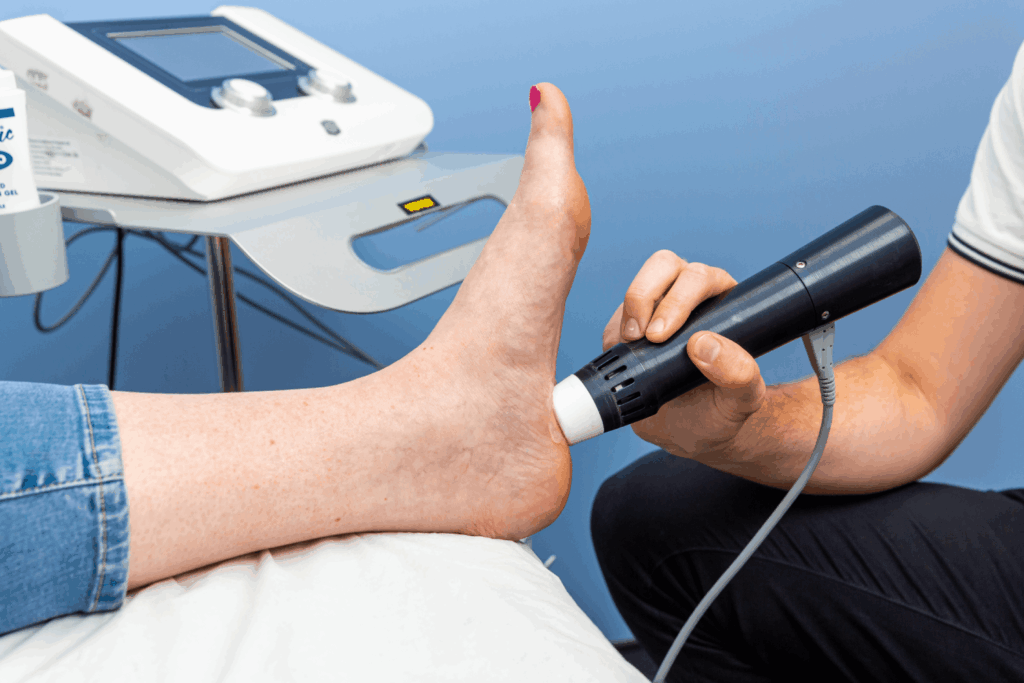
Shockwaves are delivered through a handheld probe directly to the affected area. The treatment itself typically lasts 10 to 15 minutes.
Advice and Additional Treatment
Where appropriate, your appointment may also include rehabilitation advice, exercise guidance or hands on treatment to support recovery.
Treatment Course
Most people require 3 to 6 Shockwave sessions, usually spaced weekly. Evidence suggests outcomes are optimised when an adequate number of sessions are completed. We typically recommend committing to an initial block of treatment, alongside ongoing rehabilitation, to give the tendon sufficient time and stimulus to respond.
Aftercare and Rehabilitation Following Shockwave Therapy
Shockwave Therapy works by increasing inflammation, which is necessary for healing.
For the first 48 hours after treatment:
- Avoid ice
- Avoid anti inflammatory medication such as ibuprofen, aspirin or naproxen
- Avoid high impact or strenuous activity
Light activity such as walking is acceptable.
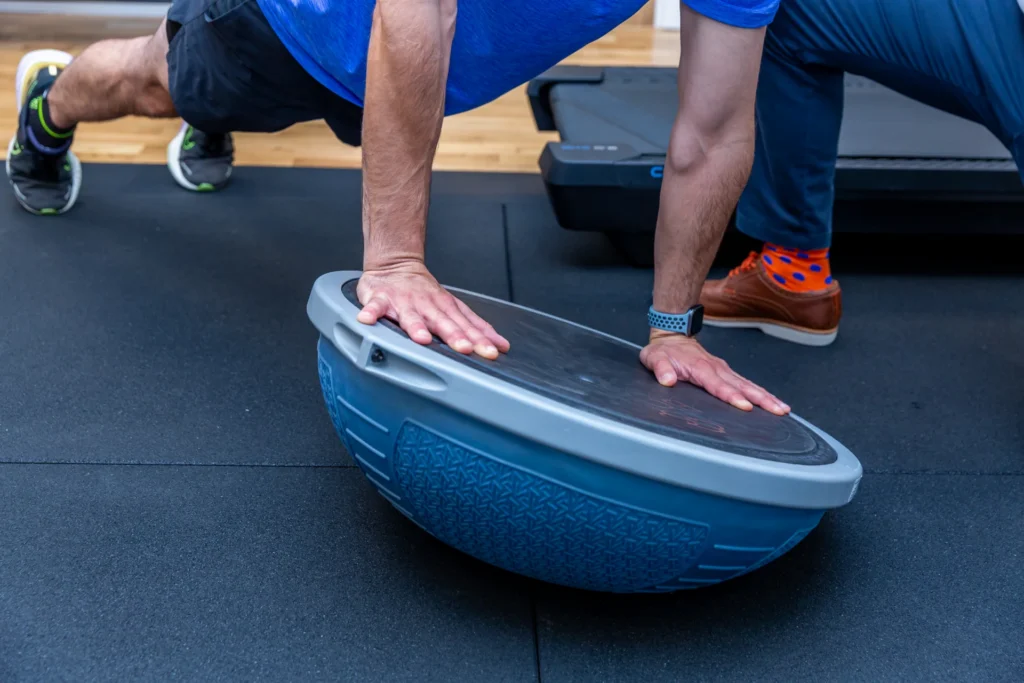
After 48 hours, it is important to continue with your prescribed rehabilitation exercises to gain the full benefit from treatment.
Why Choose Flex for Shockwave Therapy?
- Delivered by experienced physiotherapists
- Integrated with evidence based rehabilitation
- Clear explanation of suitability and expectations
- Focus on long term recovery rather than quick fixes
- Used appropriately for the right conditions
Shockwave - Flex Physiotherapy Burgess Hill
Shockwave Therapy FAQs
Is Shockwave Therapy painful?
Treatment can be uncomfortable, but it is usually well tolerated. Intensity is adjusted to keep discomfort manageable.
How many Shockwave sessions will I need?
Most people benefit from up to 6 sessions, usually spaced weekly. Completing a full course provides the best chance of meaningful improvement, particularly for long standing tendon pain.
Is Shockwave Therapy a quick fix?
No. Shockwave Therapy supports healing, but improvements are gradual and depend on continued rehabilitation.
When will I notice improvement?
Some people notice improvement within a few weeks, but it can take up to 12 weeks after the final session to experience full benefit.
Are there any side effects?
Temporary side effects may include redness, swelling, bruising, mild discomfort or sensitivity at the treatment site. These usually settle within a few days.
Who should not have Shockwave Therapy?
Shockwave Therapy may not be suitable if you are pregnant, have a cardiac pacemaker, bleeding disorders, active cancer, infection, recent steroid injection, confirmed tendon rupture or certain implants. Your physiotherapist will screen for suitability before treatment.
Do I need to stop exercise during Shockwave treatment?
High impact activity should be avoided for 48 hours after treatment, but rehabilitation exercises should continue as advised.
Can Shockwave Therapy be repeated?
Yes. Further treatment courses may be considered if appropriate.