
Conditions We Can Help With
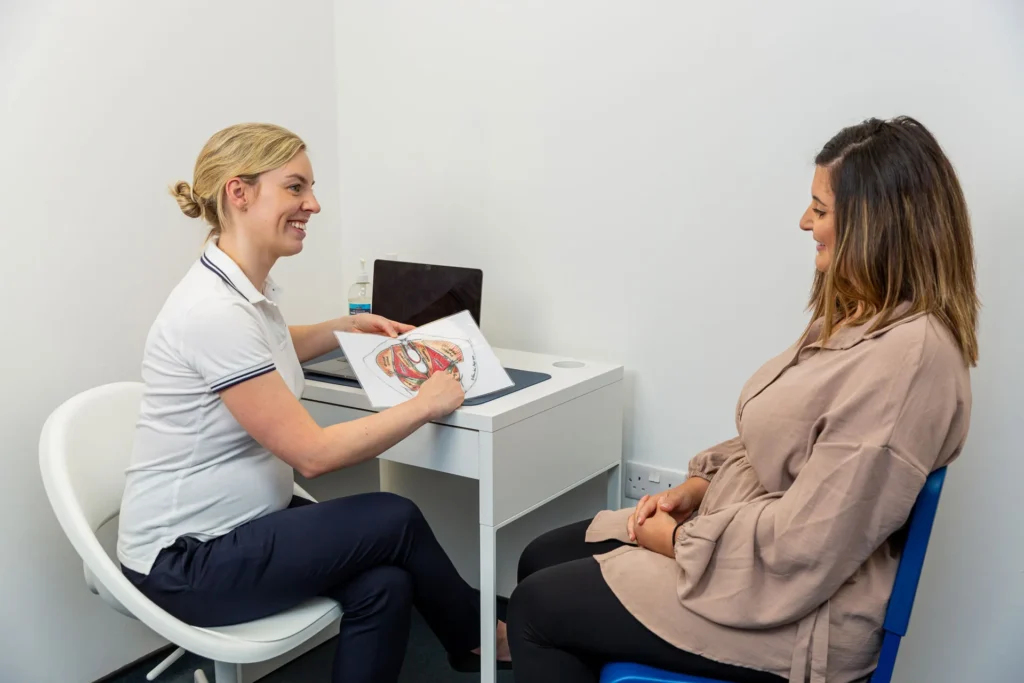
Pelvic Floor Weakness and Pelvic Floor Dysfunction
Pelvic floor symptoms are common and can affect confidence in daily life and exercise. Symptoms may include leakage with coughing, sneezing or exercise, heaviness or dragging sensations, difficulty controlling wind, or reduced support during activity.
Urinary Incontinence and Bladder Symptoms
This can include stress incontinence, urgency, increased frequency and bladder control issues. Physiotherapy can help improve pelvic floor control, bladder habits and strategies that reduce symptoms and improve confidence.
Pelvic Organ Prolapse
Symptoms can include heaviness, pressure or a bulging sensation. Physiotherapy can help manage symptoms, improve pelvic floor support and guide safe exercise and lifting.
Pregnancy Related Pelvic Girdle Pain and Back Pain
Pregnancy can change how the pelvis and spine tolerate load. Physiotherapy can help with movement strategies, pelvic and core support, strengthening and guidance to stay active more comfortably.
Postnatal Recovery and Return to Exercise
Postnatal physiotherapy supports recovery after birth, pelvic floor and core rehabilitation, guidance for safe return to running or the gym, and symptom management such as heaviness, leakage or pain.
Abdominal Separation
We assess abdominal wall and core function and provide a structured programme to rebuild strength, control and confidence with movement and exercise.
Pain with Intercourse and Pelvic Pain
Pelvic pain can be complex and may involve pelvic floor overactivity, sensitivity and movement patterns. Physiotherapy can help through assessment, education, breathing strategies, pelvic floor relaxation, graded strengthening and lifestyle guidance.
Menopause Related Pelvic Health and Musculoskeletal Changes
Hormonal change can affect tissue sensitivity, pelvic floor function and musculoskeletal health. Physiotherapy can support strength, control, symptom management and return to activity.
What to Expect at Your Women’s Health Physiotherapy Appointment
Confidential Conversation and Goals
We begin with a detailed, supportive discussion about your symptoms, medical history and lifestyle, including pregnancy or birth history where relevant. You are always in control of the pace of the appointment.
Education and Explanation
We explain what may be contributing to your symptoms in clear, non judgemental language, including how the pelvic floor, breathing and core systems link to bladder, bowel, pain and movement.
Physical Assessment
With your consent, assessment may include posture, breathing, abdominal function, hip strength and movement control to understand how your body is managing load and movement.
Optional Internal Examination
In some cases, an internal vaginal examination can help assess pelvic floor strength, coordination and tone. This is always optional and only performed with your consent. Your physiotherapist will explain why it may be helpful, what it involves and answer any questions. You can decline, ask to stop at any time, or choose to proceed at a later appointment.
Personalised Treatment Plan
Your plan may include pelvic floor strengthening or relaxation, breathing strategies, core and hip strengthening, movement retraining, advice for bladder and bowel habits, and guidance for exercise and daily activities.
Supervised Rehabilitation and Home Exercises
Rehabilitation is guided during appointments and supported with a clear home programme. Exercises are tailored to your ability, symptoms and goals, with progression planned over time.
Why Choose Flex for Women’s Health Physiotherapy?
- Private, supportive appointments with clear communication and respectful care
- Evidence based assessment and rehabilitation tailored to your goals
- Focus on confidence, function and return to exercise, not just symptom control
- Integrated approach that considers pelvic health alongside strength, movement and lifestyle
- Support across pregnancy, postnatal recovery and long term pelvic health
Pelvic Health - Flex Physiotherapy Burgess Hill
Rehabilitation FAQs
Do I need a referral to book?
No. You can self refer and book directly.
Do you have to do an internal examination?
No. Internal examination is optional and only done with your consent. It can be helpful for assessment in some cases, but we can still provide treatment and rehabilitation without it.
Is it normal to leak urine when coughing, sneezing or exercising?
Urine leakage is common, but it is not something you have to live with. Women’s health physiotherapy can help improve pelvic floor strength, coordination and control to reduce or resolve leakage.
I feel a strong urge to go to the toilet and sometimes do not make it in time. Can physiotherapy help?
Yes. Urgency and urge incontinence can often improve with pelvic floor rehabilitation, bladder training strategies and education to help calm bladder sensitivity and improve control.
I leak during running, jumping or gym exercise. Does that mean I should stop exercising?
No. Stopping exercise is not usually the answer. Physiotherapy can help address pelvic floor function, load management and movement strategies so you can return to exercise safely and confidently.
I feel heaviness or pressure in my pelvis. What could this be?
Heaviness or pressure can be a symptom of pelvic organ prolapse or pelvic floor weakness. Physiotherapy can help manage symptoms, improve support and guide safe exercise and lifting.
Can women’s health physiotherapy help with pain during intercourse?
Yes. Pain during intercourse can have multiple causes. Physiotherapy may help through assessment, education, breathing strategies, pelvic floor relaxation, graded strengthening and movement work.
I have bladder symptoms but my scans are normal. Can physiotherapy still help?
Yes. Many bladder symptoms relate to pelvic floor function, coordination and nervous system sensitivity rather than structural problems. Physiotherapy can still be very effective.
Can women’s health physiotherapy help after childbirth even if it was years ago?
Yes. Pelvic floor symptoms and core issues can respond well to rehabilitation even years after pregnancy or birth.
Can you help me return to running or the gym?
Yes. We provide structured guidance for safe return to impact exercise based on symptoms, strength and control.
Can women’s health physiotherapy help during menopause?
Yes. Hormonal changes during menopause can affect pelvic floor function, tissue sensitivity and musculoskeletal health. Physiotherapy can help with strength, control, symptom management and return to activity.
Can I bring someone with me?
Yes. If you would feel more comfortable, you can attend with a partner, friend or family member.
How many sessions will I need?
How many sessions will I need?
This depends on your symptoms and goals. Many people benefit from an initial block of sessions to build improvement and confidence, with progress reviewed and adjusted.
Is women’s health physiotherapy only for postnatal problems?
No. Women’s health physiotherapy can help at many life stages, including during pregnancy, menopause and outside of pregnancy related care.