
When Can Knee Bracing Help?
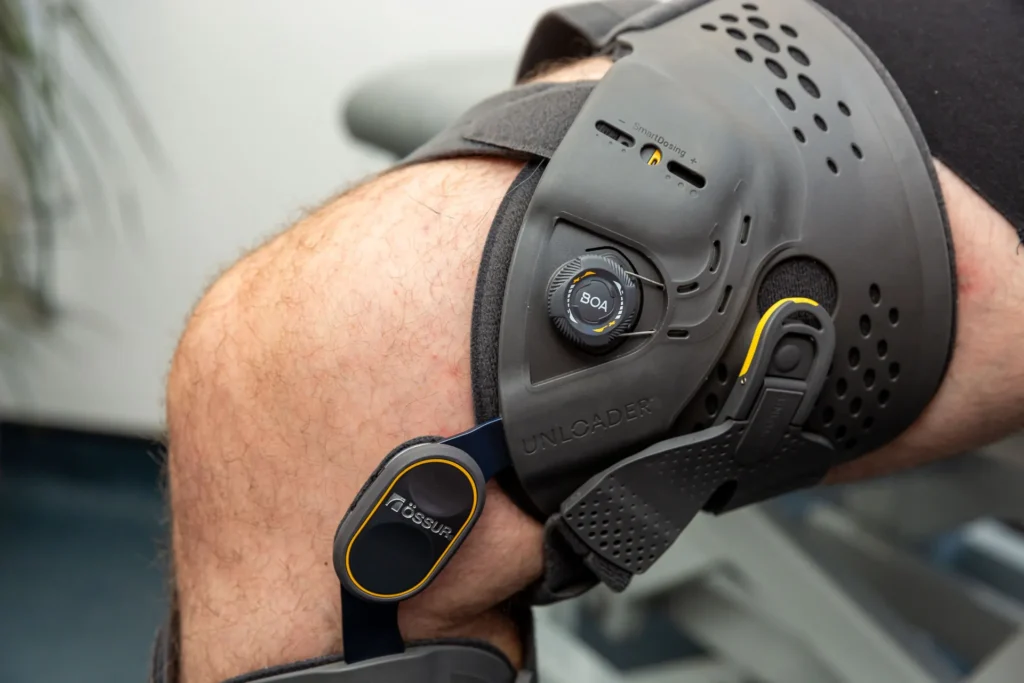
Knee bracing is not a replacement for rehabilitation, but when used appropriately it can significantly reduce symptoms, improve function and allow people to stay active while managing their condition.
Knee bracing is commonly used for:
- Knee osteoarthritis
- Ligament injuries or instability
- Post injury or post surgical support
- Patellofemoral pain and kneecap tracking issues
- Return to sport and high demand activity
- Reducing pain during walking, standing and exercise
Knee Osteoarthritis and Knee Bracing
Knee osteoarthritis is a common cause of pain, stiffness and reduced confidence with walking, stairs and activity. Symptoms often worsen with load through one side of the knee joint.
Specialist knee braces can help by reducing load through the painful part of the knee, improving alignment and allowing movement with less discomfort. Many people find this allows them to walk further, stay active and delay or avoid more invasive treatments.
At Flex, knee bracing is commonly used as part of a wider osteoarthritis management plan alongside education, exercise and activity modification.
The Unloader One X Brace
Unloader Braces for Knee Osteoarthritis
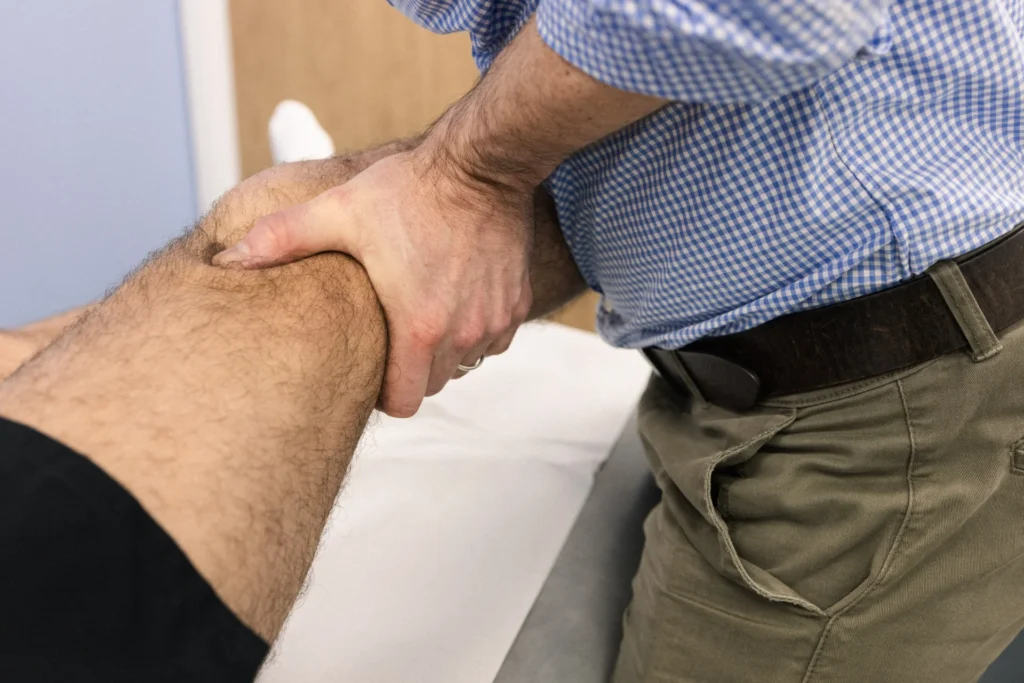
The Unloader One X is a premium, extremely lightweight knee brace designed to reduce load through the painful compartment of the knee in people with osteoarthritis. Some people may also hear this referred to as an offloader knee brace.
How the Unloader One X reduces pain
The brace works by subtly realigning the knee during walking and standing, taking pressure away from the damaged area of cartilage. Many patients notice an immediate reduction in pain and an improvement in confidence with movement.
Flexible use for everyday life and activity
The brace can be put on and taken off as needed, allowing it to be used strategically for activities such as walking, exercise, work or longer periods on your feet when pain relief and support are most helpful.
A proven non surgical alternative for active people
There is a strong evidence base supporting the effectiveness of unloader bracing in knee osteoarthritis. For many active individuals, the Unloader One X provides a robust non surgical alternative to knee replacement, helping reduce symptoms, improve function and maintain activity levels while managing osteoarthritis.
Who the Unloader One X is best suited for
The Unloader One X is particularly well suited to people with medial or lateral compartment knee osteoarthritis who want to remain active, independent and confident in their movement.
Supportive Braces for Knee Osteoarthritis
OA Ease provides comfortable, everyday support for people with mild to moderate knee osteoarthritis. It helps improve knee stability, reduce pain and support daily activities such as walking and standing.
Formfit Pro Knee OA offers more structured support while remaining comfortable for regular use. It is suitable for people who want symptom relief during daily life, longer periods on their feet or light exercise.
These braces are often ideal for people who want effective symptom relief without the bulk of a full unloader brace, however are less effective than the flagship Unloader One X.
Additional Braces of Knee Osteoarthritis
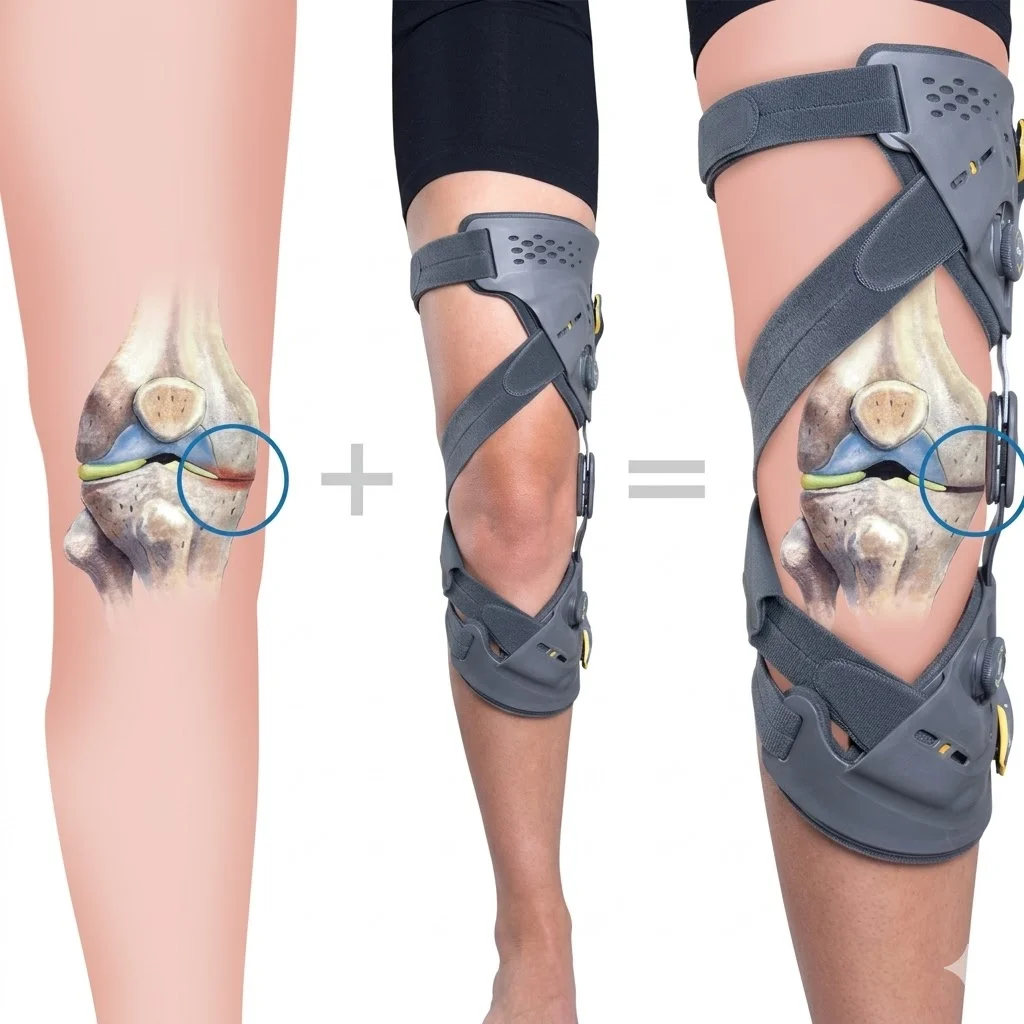
OA Ease
Provides comfortable, everyday support for people with mild to moderate knee osteoarthritis. It helps improve knee stability, reduce pain and support daily activities such as walking and standing.
Formfit Pro Knee OA
Offers more structured support while remaining comfortable for regular use. It is suitable for people who want symptom relief during daily life, longer periods on their feet or light exercise.
Knee Braces for Ligament Injuries and Instability
Ligament injuries, including ACL, PCL, MCL, LCL or combined ligament injuries, can leave the knee feeling unstable, unpredictable or unsafe during movement.
Functional knee braces can provide external support to improve control, reduce episodes of giving way and help patients feel more confident when returning to walking, work, exercise or sport.

High Performance Ligament Braces
CTi3
CTi3 is a high performance functional knee brace designed for ligament instability. It is commonly used for return to sport, physically demanding work and high load activities.
It provides strong support while allowing natural movement, making it suitable for active individuals who want confidence without excessive restriction.
CTi Custom
CTi Custom is individually moulded to your knee, providing a precise fit and maximum stability. It is often recommended for more complex ligament injuries or when optimal control is required.
These braces are widely used by athletes and active individuals returning to sport or managing long term instability.
Patellofemoral Pain and Kneecap Tracking Issues
Patellofemoral pain, often felt around or behind the kneecap, is commonly related to poor tracking or alignment of the patella during movement.
Targeted bracing can help guide the kneecap into a better position, reduce irritation and allow rehabilitation exercises to be performed more comfortably.
Patellofemoral Support Braces
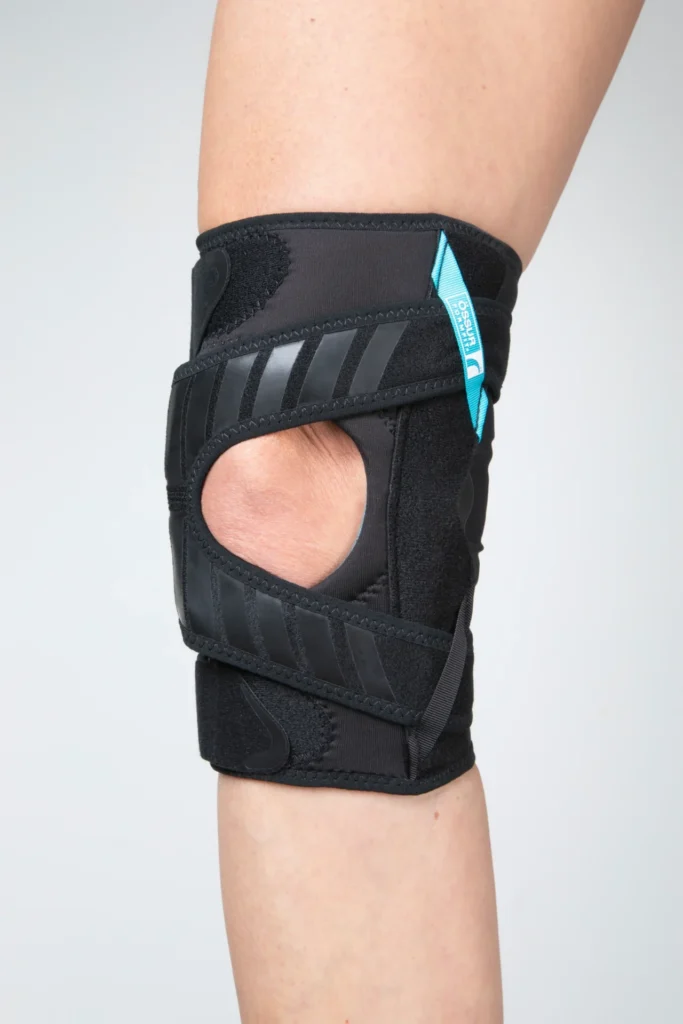
Formfit Tracker Brace
Formfit Tracker is designed to support kneecap alignment and reduce patellofemoral pain during activity. It provides targeted control without excessive bulk, making it suitable for walking, exercise and sport.
This brace is commonly used alongside rehabilitation to improve movement control and reduce symptoms during recovery.
What to Expect at a Knee Bracing Appointment
Step 1
A detailed assessment of your knee, diagnosis, movement, stability and symptoms.
Step 2
Discussion of your lifestyle, work, exercise and sporting goals.
Step 3
Selection of the most appropriate brace based on your condition and needs.
Step 4
Professional fitting and guidance on how and when to use the brace.
Step 5
Ongoing review alongside rehabilitation to ensure optimal benefit.
Specialist Knee Bracing - Flex Physiotherapy Burgess Hill
Knee Bracing FAQs
Why Choose Flex for Knee Bracing?
- Specialist physiotherapist led assessment
- High quality medical grade knee braces
- Bracing integrated with rehabilitation, not used in isolation
- Extensive experience managing knee osteoarthritis, ligament injuries and sports knee problems
- Clear advice tailored to your goals and activity level
Will a knee brace cure my problem?
A knee brace does not cure the underlying condition, but it can significantly reduce pain, improve stability and allow better movement while rehabilitation and longer term management take place.
Can I exercise while wearing a knee brace?
In most cases, yes. Many braces are designed to support exercise and activity. Your physiotherapist will advise on appropriate use.
Do I need a scan before being fitted for a brace?
Not always. Bracing decisions are usually based on clinical assessment, symptoms and movement rather than imaging alone.
How long will I need to wear a knee brace?
This depends on your condition and goals. Some people use braces short term, others longer term for symptom management or activity support.
Are knee braces suitable for osteoarthritis?
Yes. Unloader and supportive braces are commonly used to reduce pain and improve function in knee osteoarthritis.