
Men’s Health
Service
Men’s Health Physiotherapy in Burgess Hill
Men’s health physiotherapy focuses on conditions affecting the pelvic floor, core, bladder and bowel function, sexual health, prostate related recovery, and persistent pelvic or lower back pain. At Flex Physiotherapy in Burgess Hill, we provide evidence based, respectful and discreet care in a private clinical setting, with assessment and treatment tailored to your symptoms, goals and comfort.
Many men delay seeking help for pelvic or continence related symptoms. These problems are common, treatable and do not need to be accepted as normal. Men’s health physiotherapy can help you understand what is happening, regain control and return to daily life, exercise and sport with confidence.
We support patients from Burgess Hill, Mid Sussex, Haywards Heath, Hassocks and the surrounding areas.
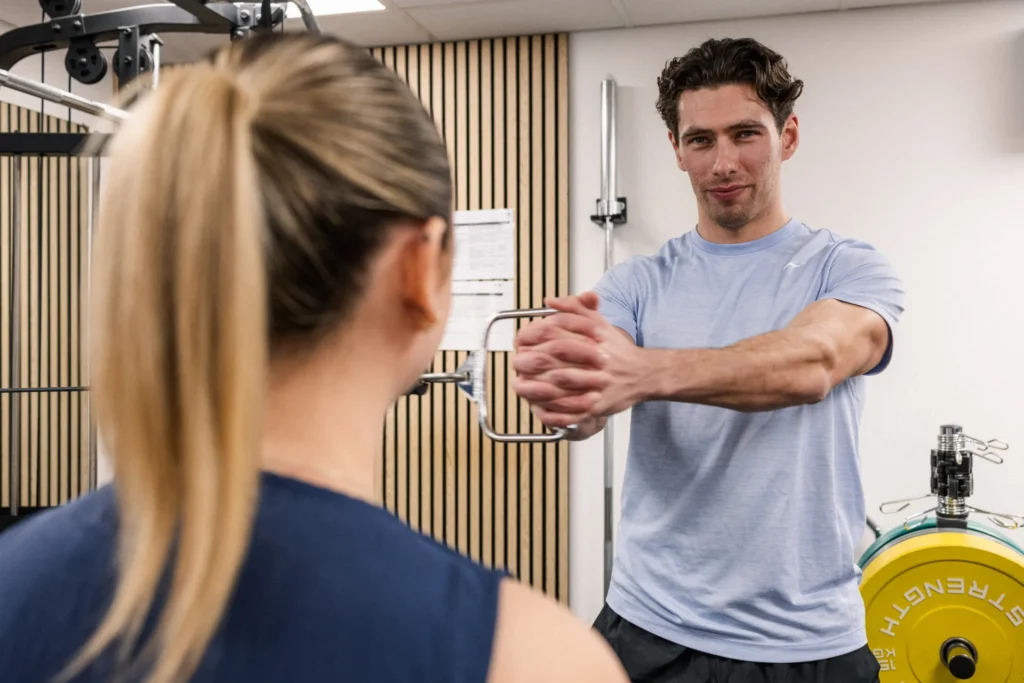
Conditions We Can Help With
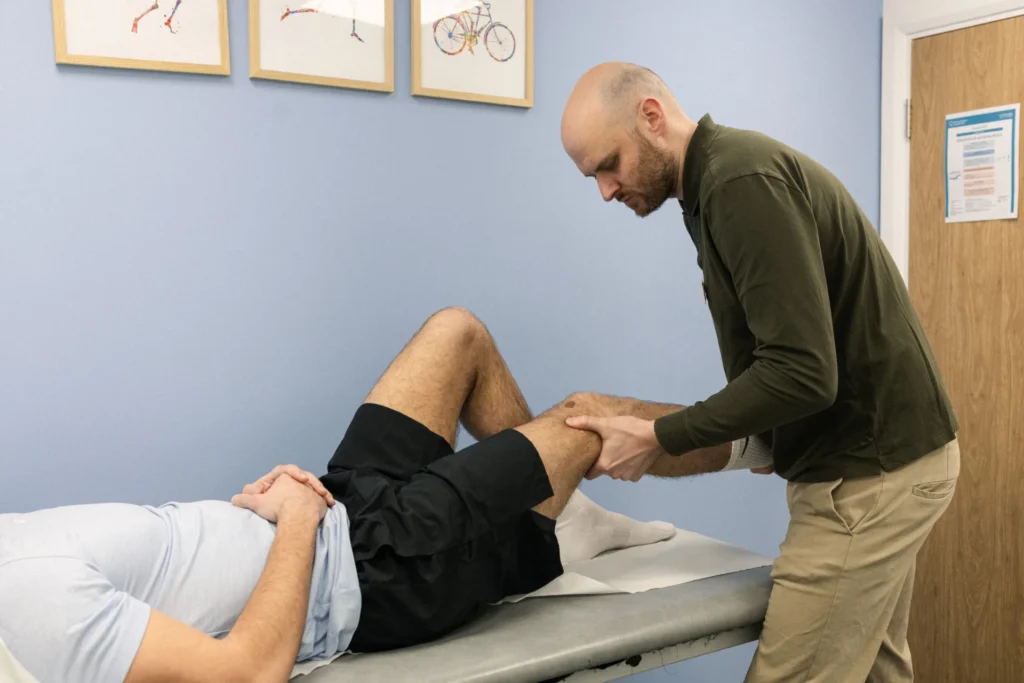
Pelvic Floor Dysfunction in Men
Pelvic floor problems can affect bladder, bowel and sexual function. Symptoms may include leakage, urgency, difficulty emptying, pelvic discomfort or reduced control during exercise.
Urinary Incontinence and Bladder Symptoms
This can include leakage, urgency, increased frequency or difficulty controlling the bladder, commonly following prostate surgery or related to pelvic floor weakness.
Post Prostate Surgery Rehabilitation
Physiotherapy can support recovery after prostate surgery by improving pelvic floor strength, bladder control, confidence with movement and return to activity.
Persistent Pelvic Pain
Persistent pelvic pain can involve the pelvis, perineum, lower abdomen, hips or groin. Physiotherapy can help address muscle tension, movement patterns, breathing, nervous system sensitivity and functional load.
Lower Back, Hip and Groin Pain
Pelvic floor and core dysfunction can contribute to ongoing back, hip or groin pain. Treatment focuses on restoring strength, coordination and movement efficiency.
Sexual Health Related Pelvic Floor Issues
Pelvic floor dysfunction may contribute to pain, discomfort, erectile difficulties or reduced confidence during sexual activity. Physiotherapy can help improve relaxation, coordination and control.
Bowel Control and Pelvic Floor Coordination Issues
Difficulty controlling wind, bowel urgency or straining can be linked to pelvic floor coordination and muscle tension, which physiotherapy can help address.
Anal Pain and Fissure Related Symptoms
Anal pain or fissures may be influenced by pelvic floor muscle tension and bowel habits. Physiotherapy can support relaxation strategies, coordination and advice to reduce strain, alongside medical care.
What to Expect at Your Men’s Health Physiotherapy Appointment
Confidential Conversation and Goals
We begin with a private, supportive discussion about your symptoms, medical history, lifestyle, exercise and goals. This is a respectful space and nothing is rushed.
Education and Explanation
We explain how the pelvic floor, breathing, core and musculoskeletal systems work together, and how these systems may be contributing to your symptoms.
Physical Assessment
With your consent, assessment may include posture, breathing, abdominal and core function, hip strength and movement control.
Optional Internal Examination
In some cases, an internal rectal examination can be helpful to assess pelvic floor strength, coordination and tone. This is always optional. Your physiotherapist will explain why it may be useful, what it involves and answer any questions. You can decline, ask to stop at any time, or choose to proceed at a later appointment.
Personalised Treatment Plan
Your plan may include pelvic floor strengthening or relaxation, breathing strategies, core and hip strengthening, movement retraining, bladder or bowel strategies and guidance for exercise and daily activities.
Supervised Rehabilitation and Home Exercises
Rehabilitation is guided during appointments and supported with a clear home programme tailored to your symptoms, ability and goals.
Why Choose Flex for Men’s Health Physiotherapy?
- Private, discreet and supportive appointments
- Evidence based assessment and rehabilitation
- Clear explanations and respectful care
- Integrated approach addressing pelvic health, strength and movement
- Support for both everyday function and return to exercise or sport
- Experienced physiotherapists confident managing men’s pelvic health concerns
Pelvic Health - Flex Physiotherapy Burgess Hill
Men’s Health Physiotherapy FAQs
Do I need a referral to book?
No. You can self refer and book directly.
Is men’s health physiotherapy only for older men?
No. Men of all ages can experience pelvic floor and pelvic health symptoms, including active and athletic men.
Do I have to have an internal examination?
No. Internal examination is optional and only done with your consent. Many aspects of assessment and rehabilitation can be completed without it.
Can men’s health physiotherapy help after prostate surgery?
Yes. Physiotherapy can play an important role in recovery after prostate surgery, particularly for bladder control, pelvic floor strength and return to activity.
Can physiotherapy help with bladder leakage or urgency?
Yes. Bladder symptoms often respond well to pelvic floor rehabilitation, bladder strategies and movement based treatment.
Can men’s health physiotherapy help with erectile dysfunction?
Yes. In some cases, erectile dysfunction can be linked to pelvic floor muscle weakness, overactivity or poor coordination. Physiotherapy may help by improving pelvic floor function, circulation, relaxation and control, alongside appropriate medical care where needed.
What is persistent pelvic pain and can physiotherapy help?
Persistent pelvic pain refers to ongoing pain or discomfort in the pelvis, perineum, lower abdomen or groin that lasts longer than expected. Physiotherapy can help by addressing muscle tension, movement patterns, breathing and nervous system sensitivity.
Can men’s health physiotherapy help with anal fissures or anal pain?
Yes. Anal fissures and anal pain can be influenced by pelvic floor muscle tension, coordination and bowel habits. Physiotherapy may help through relaxation strategies, education, breathing techniques and advice to reduce strain, alongside medical management where required.
Can men’s health physiotherapy help with pelvic or groin pain?
Yes. Pelvic or groin pain often has multiple contributing factors. Physiotherapy can help address strength, coordination, movement patterns and pelvic floor involvement.
Can I continue exercising while having treatment?
In most cases, yes. We provide guidance on how to exercise safely and confidently while working on pelvic health.
How many sessions will I need?
This depends on your symptoms and goals. Many people benefit from an initial block of sessions, with progress reviewed and adjusted over time.