
What is Plantar Fasciitis?
The plantar fascia is a thick band of tissue that runs along the bottom of the foot from the heel to the toes. It helps support the arch and transfer load during walking and running.
Plantar fasciitis, also known as plantar heel pain, occurs when this tissue becomes irritated and sensitive.
Common symptoms include:
- Sharp pain under the heel
- Pain with the first few steps in the morning
- Pain after prolonged standing
- Discomfort during or after running
- Tenderness when pressing on the inside of the heel
Common Contributing Factors
Plantar fasciitis often develops due to a combination of factors, including:
- Sudden increase in walking or running volume
- Change in footwear
- Prolonged standing at work
- Reduced calf strength
- Tight calf muscles
- Reduced foot strength or arch control
Understanding these contributing factors is key to long-term recovery.


Who We Help With Plantar Fasciitis
We regularly support:
- Runners and endurance athletes
- People training for events
- Gym-goers
- Teachers, healthcare staff and retail workers
- Manual workers
- Active adults wanting to stay mobile
- Individuals with persistent heel pain
Our clinicians apply structured, data-driven principles to help both athletes and non-athletes return to pain-free movement.
How Plantar Fasciitis is Assessed at Flex
Your assessment is tailored to your symptoms, goals and activity demands. This may include:
- Detailed clinical history and symptom analysis
- Assessment of foot and ankle movement
- Calf flexibility and strength testing
- Foot posture and arch assessment
- Gait analysis for walking and running where relevant
- Hand held dynamometry to measure calf strength
- Force plate testing to assess lower limb loading patterns and asymmetry
The aim is to understand not just where your heel hurts, but why the plantar fascia has become overloaded and what needs to change to support recovery.
Treatment Options for Plantar Fasciitis
Treatment is individualised and based on a clear diagnosis. Your plan may include one or more of the following:
Physiotherapy for plantar fasciitis
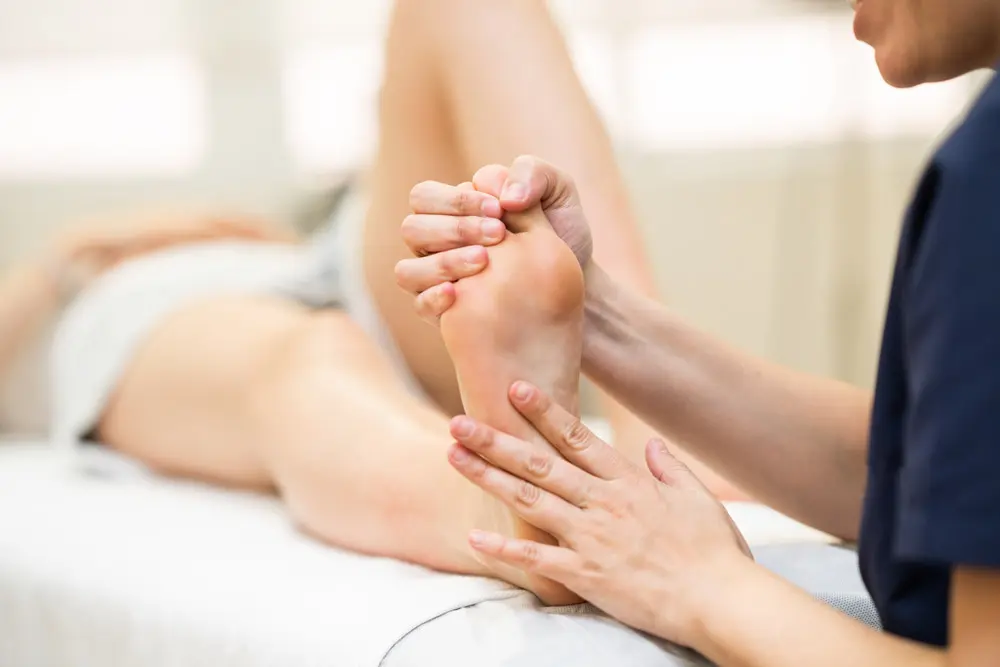
Hands-on treatment and rehabilitation focused on reducing pain, restoring ankle mobility and improving load tolerance. Progressive strengthening is central to long-term improvement.
Linked service: Physiotherapy
Rehabilitation and exercise therapy
Targeted calf and foot strengthening exercises designed to improve tissue capacity and reduce recurrence risk.
Shockwave therapy (ESWT)
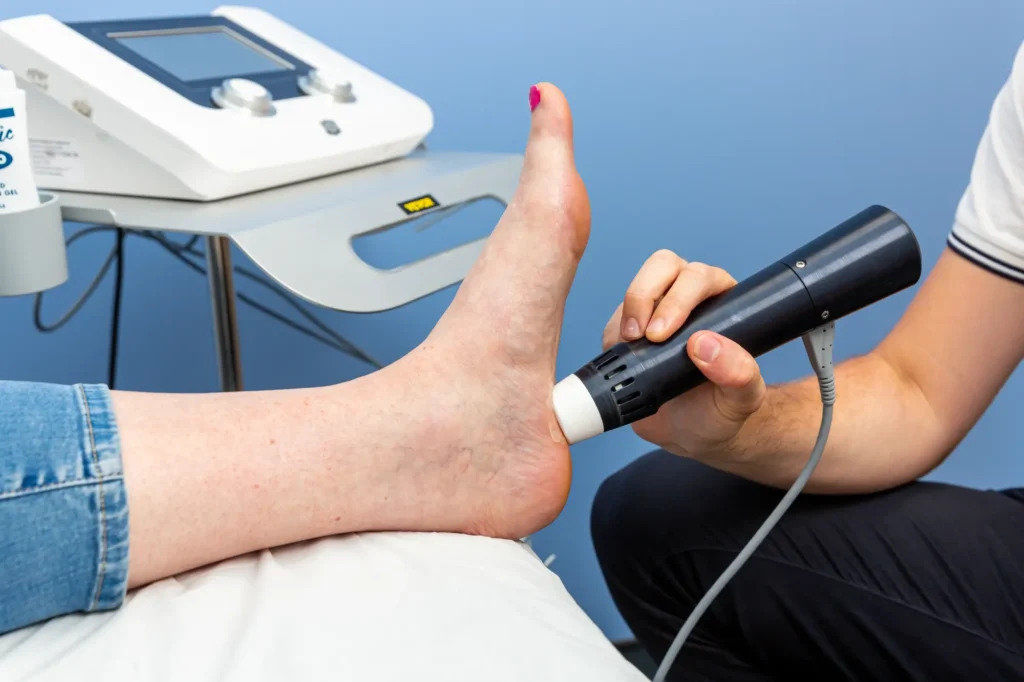
Extracorporeal shockwave therapy may be used for persistent plantar heel pain that has not responded fully to exercise-based rehabilitation alone.
Linked service: Shockwave Therapy
Ultrasound imaging
Diagnostic ultrasound can be used to assess the plantar fascia and surrounding soft tissues where diagnosis is unclear or symptoms are not progressing as expected. This can help guide treatment planning and rule out other causes of heel pain.
Linked service: Ultrasound Imaging
Running gait assessment
For runners, gait analysis may help identify movement patterns contributing to plantar fascia overload.
Linked service: Running Gait Analysis
Objective strength and performance testing
Hand held dynamometry and force plate testing allow us to measure strength deficits, monitor progress and guide safe return to running or higher-level activity.
Linked service: Sports Physiotherapy and Performance Assessment
Plantar Fasciitis FAQs
How long does plantar fasciitis last?
Most cases improve with structured rehabilitation, but recovery can take several weeks to months depending on symptom duration and activity levels.
Should I stop running?
Complete rest is not always necessary. Load modification and structured strengthening are often more effective than stopping activity entirely.
Do I need orthotics?
Some people benefit from temporary arch support, but strengthening and load management remain central to long-term recovery.
Is shockwave therapy effective?
Shockwave therapy can be helpful for persistent cases, particularly when combined with progressive strengthening.
Will plantar fasciitis come back?
Recurrence risk is reduced when calf strength, foot control and load management are addressed properly.
When should I seek help?
If heel pain is persistent, worsening or limiting your walking or running, assessment is recommended.
Book Plantar Fasciitis Treatment in Burgess Hill
If you are experiencing heel pain or plantar fasciitis and want a clear diagnosis and structured treatment plan, our team is here to help.
You can self-refer and book directly.
Expert assessment. Integrated care. Plantar fasciitis treatment at Flex Physiotherapy Burgess Hill.