
What is Sciatica?
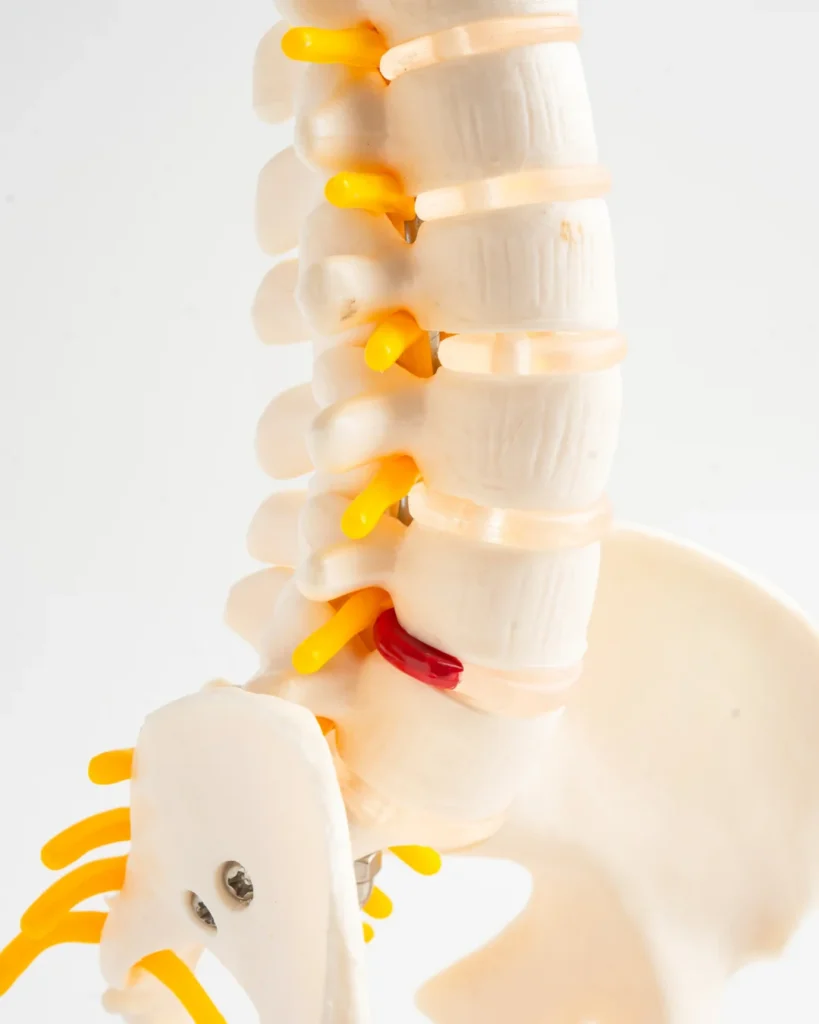
Sciatica is not a diagnosis in itself but a description of nerve-related leg pain. It is commonly associated with:
- Lumbar disc bulge or disc herniation
- Lumbar radiculopathy
- Nerve root irritation
- Spinal canal narrowing
Symptoms typically follow a pattern down one leg and may include:
- Sharp, shooting or burning pain
- Pins and needles
- Numbness
- Muscle weakness
- Increased pain with sitting, bending or coughing
Acute vs Persistent Sciatica
Sciatica can present in different ways:
Acute Sciatica
Often develops suddenly, sometimes following lifting or twisting. Leg pain is usually more dominant than back pain.
Persistent or Recurrent Sciatica
Symptoms may fluctuate over time and be linked to activity levels, sitting tolerance or strength deficits.
Most cases improve with structured rehabilitation and time.

Who We Help With Sciatica
We regularly support:
- Office workers struggling with prolonged sitting
- Drivers and commuters
- Manual workers and tradespeople
- Runners and active adults
- Individuals with recurrent back and leg pain
- People looking to avoid surgery where possible
Our clinicians apply structured, evidence-based and data-driven principles to help both athletes and non-athletes return to normal function safely.
How Sciatica is Assessed at Flex
Your assessment is tailored to your symptoms, goals and activity demands. This may include:
- Detailed clinical history and symptom analysis
- Neurological testing including reflexes, strength and sensation
- Assessment of lumbar spine movement
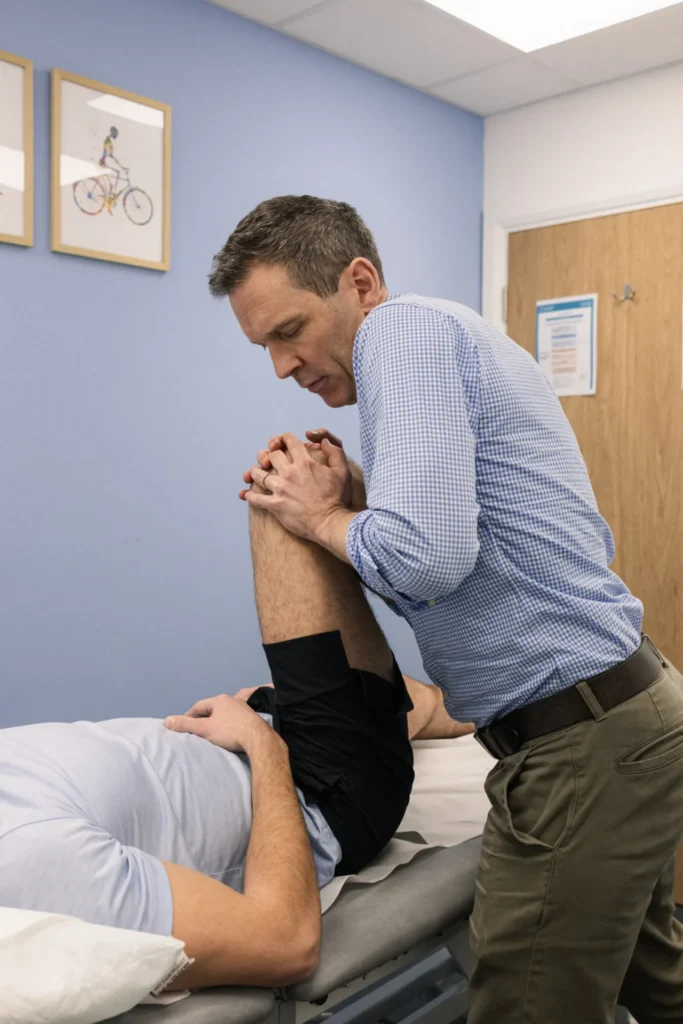
- Nerve tension testing
- Strength testing of the trunk, hips and lower limb
- Hand held dynamometry to objectively measure strength deficits
- Force plate testing to assess lower limb loading, asymmetry and functional capacity
- Functional testing such as walking, bending and sitting tolerance
The aim is to understand not just where your pain travels, but why the nerve is sensitive and what needs to change to support recovery.
Treatment Options for Sciatica
Treatment is individualised and based on a clear diagnosis. Your plan may include one or more of the following:
Physiotherapy for sciatica
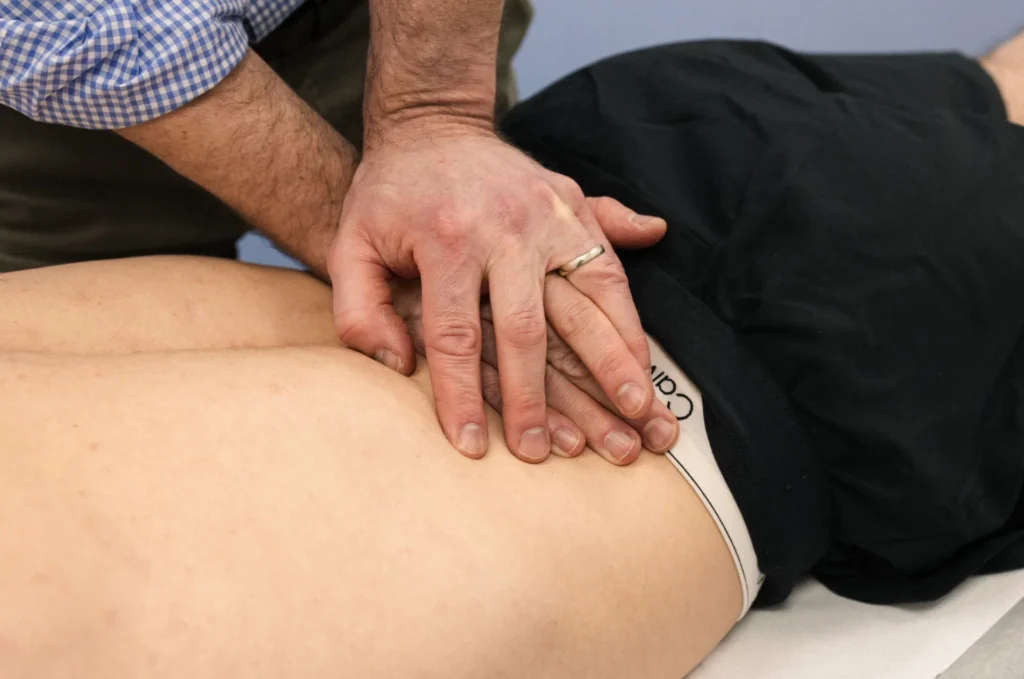
Hands-on treatment and rehabilitation focused on reducing nerve irritation, restoring spinal movement and improving control. Progressive exercise therapy is central to long-term improvement.
Linked service: Physiotherapy
Manual therapy
Spinal mobilisations and movement-based techniques may be used to reduce pain and improve movement tolerance.
Linked service: Physiotherapy
Rehabilitation and exercise therapy
Targeted rehabilitation to improve trunk strength, hip control and nerve tolerance. Gradual loading is used to rebuild confidence and reduce recurrence risk.
Objective strength and performance testing
Hand held dynamometry and force plate testing allow us to measure strength deficits, track recovery and guide safe progression back to work, running or sport.
Linked service: Sports Physiotherapy and Performance Assessment
Sciatica FAQs
Is sciatica serious?
Most cases are not dangerous and improve with appropriate rehabilitation. Severe or progressive weakness should be assessed urgently.
Do I need an MRI?
Most cases do not require immediate imaging. MRI is considered if symptoms are severe, persistent or associated with significant neurological changes.
What are red flag symptoms?
Loss of bladder or bowel control, numbness around the saddle area or rapidly worsening leg weakness require urgent medical attention.
Should I rest with sciatica?
Prolonged rest is rarely helpful. Guided, gradual movement is usually more effective than avoiding activity entirely.
Can sciatica improve without surgery?
Yes. The majority of cases improve with conservative management.
When should I seek help?
If leg pain is persistent, worsening, associated with weakness or significantly limiting daily activity, assessment is recommended.
Book Sciatica Treatment in Burgess Hill
If you are experiencing sciatica or nerve-related leg pain and want a clear diagnosis and structured treatment plan, our team is here to help.
You can self-refer and book directly.
Expert assessment. Integrated care. Sciatica treatment at Flex Physiotherapy Burgess Hill.